Compare Local Contractors for Excavation Service Success
Compare local contractors to define project scope, verify experience, and set clear expectations for your excavation needs.
Excavation services encompass a range of tasks involved in preparing land for construction, landscaping, or utility installation. Typical work includes digging trenches for pipes or cables, grading land to ensure proper drainage, removing soil or debris, and creating foundations for structures. These projects often require specialized equipment and techniques to handle different types of soil and terrain, making it important for property owners to clearly define what needs to be accomplished. Establishing a detailed scope helps ensure that all parties understand the work involved and can plan accordingly, reducing the risk of misunderstandings or incomplete tasks.
Defining the scope of an excavation project is a crucial step in working with local contractors. It involves specifying the exact tasks to be performed, the area to be excavated, and any specific considerations such as depth, access points, or site limitations. Clear documentation of these details provides a reference point for contractors and helps prevent scope creep or unexpected surprises during the project. Property owners should also verify the experience of potential service providers, ensuring they have handled similar projects successfully, and confirm that expectations are outlined and agreed upon in writing before work begins.
When comparing local contractors for excavation services, it’s important to evaluate their experience, reputation, and the scope of services offered. Property owners can seek recommendations or reviews from previous clients and review portfolios of past projects to assess the quality of work. Asking detailed questions about methods, equipment, and project management approaches can help clarify each contractor’s capabilities. By focusing on these practical factors and ensuring that all aspects of the project are clearly documented, property owners can make more informed decisions and select service providers best suited to meet the specific needs of their land or construction site.
Compare local contractors by defining project scope, verifying experience, and setting clear expectations in writing.
- Compare Contractor Experience - Evaluate the background and project history of local contractors to ensure alignment with project requirements.
- Define Project Scope Clearly - Establish detailed work parameters and expectations in writing before work begins.
- Verify Credentials and References - Check references and verify experience to identify reputable service providers.
- Set Written Agreements - Document all project details, including scope and responsibilities, to facilitate clear understanding.
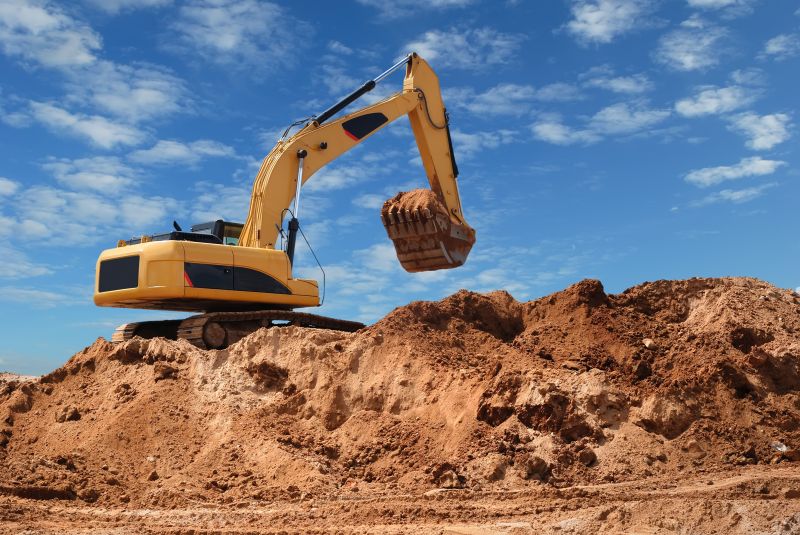
Clearly define your project scope before comparing local contractors to ensure accurate matches and set clear expectations.
- Verify experience and references of local contractors to ensure familiarity with excavation projects of similar scope. - Consider reviewing past work examples or client testimonials to assess the quality of previous excavation services.
- Define the project scope clearly and ensure it is documented in writing to prevent misunderstandings. - Clarify the specific excavation tasks, site boundaries, and any additional work included in the project.
- Check that local service providers have appropriate equipment and resources to handle the excavation requirements. - Confirm that the contractors possess the necessary machinery and tools for the scope of the project.
- Ensure that the scope of work, responsibilities, and expectations are detailed in a written agreement or contract. - A comprehensive written document helps set clear expectations and provides a reference for project deliverables.
- Assess the communication process and responsiveness of local contractors to gauge their professionalism and reliability. - Effective communication can facilitate smooth project progress and address any concerns promptly.
- Confirm that the local pros are knowledgeable about site-specific considerations such as soil conditions and access limitations. - Understanding site factors ensures proper planning and reduces the risk of unforeseen issues during excavation.
Compare local contractors' experience and services to clearly define your excavation project scope and expectations.
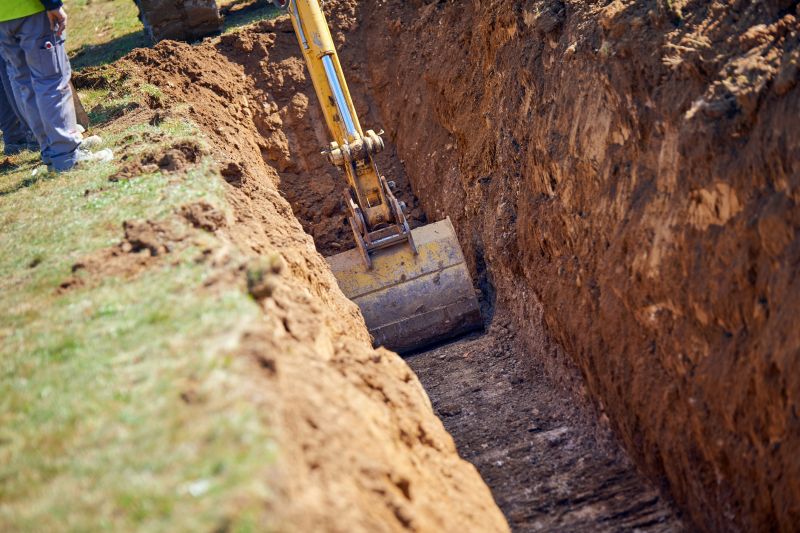
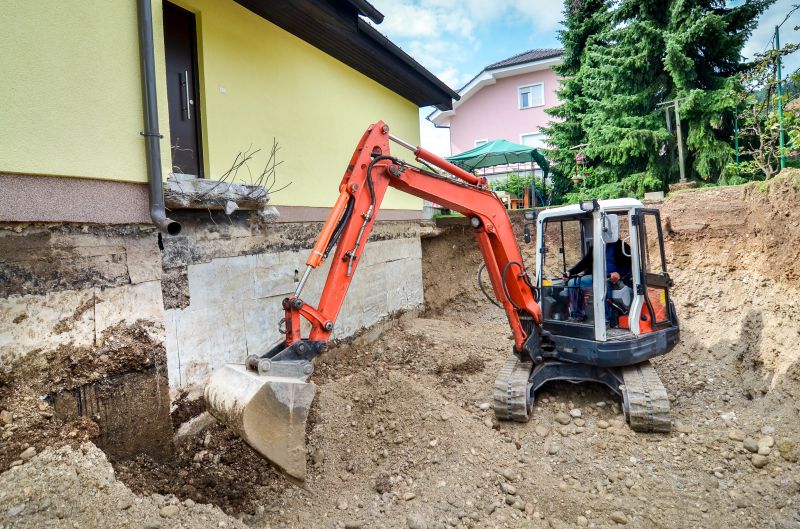
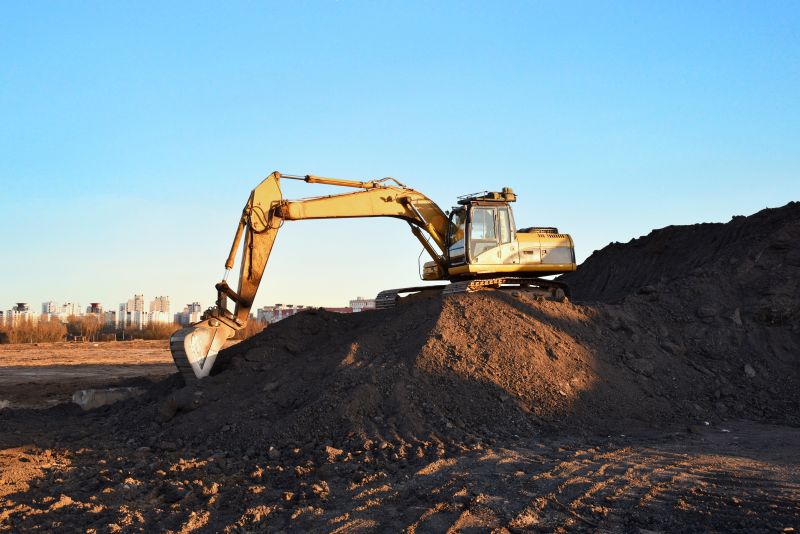
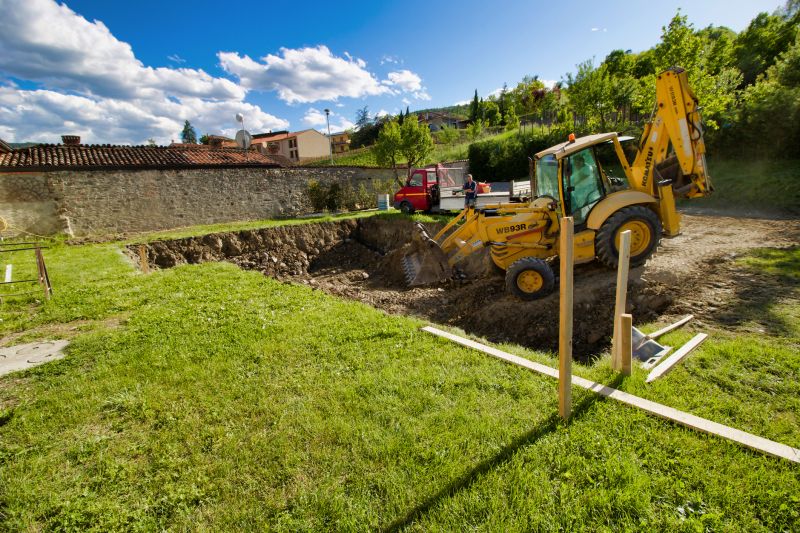
This section helps compare excavation contractors by defining scope, verifying experience, and setting clear expectations without prices.
- Scope Definition - Clearly outline the specific excavation tasks required for the project.
- Experience Verification - Confirm that local contractors have relevant experience handling similar excavation projects.
- Equipment and Techniques - Specify the types of machinery and excavation methods to be used.
- Site Preparation and Access - Describe the site conditions and access requirements necessary for the work.
- Work Expectations and Deliverables - Document the expected results, including project boundaries and completion criteria.
When comparing excavation contractors, it’s important to evaluate their experience with projects similar to the one at hand. Homeowners should inquire about the types of excavation work the service providers have completed and whether they have handled projects of comparable size and complexity. Contractors with a proven track record in similar projects are more likely to understand the specific challenges involved and deliver results that meet expectations. Gathering details about their past work can help ensure that the contractor has relevant expertise and familiarity with the scope of work required.
A clear, written scope of work is a vital aspect of choosing the right excavation service provider. Homeowners should seek contractors who can provide detailed descriptions of the work to be performed, including specific tasks, materials, and the extent of excavation. A well-defined scope helps prevent misunderstandings and sets clear expectations for both parties. It’s advisable to review the scope carefully and ask for clarification or additional details if any part of the plan is vague or incomplete, ensuring that everyone is aligned before work begins.
Verification basics are essential when evaluating local contractors for excavation services. Homeowners should confirm that the service providers have the necessary experience and a history of completing similar projects successfully. Asking for references or examples of completed work can provide insight into the contractor’s reliability and quality of craftsmanship. Additionally, verifying that the contractor adheres to safety standards and follows proper procedures helps establish a foundation of trust and professionalism, reducing potential issues during project execution.
When exploring options for excavation services, homeowners should carefully assess how each contractor’s experience, scope of work, and communication approach align with their project needs. It’s beneficial to compare the clarity of written proposals, the level of detail provided, and the contractor’s ability to answer questions thoroughly. By focusing on these factors, homeowners can identify service providers who are well-equipped to handle the project and who communicate transparently, helping to establish a smooth working relationship from the outset.
Ask contractors to provide written scope details to ensure clear expectations and consistent project understanding.
- **Experience and Expertise** - What specific excavation services and projects have local contractors successfully completed?
- **Scope of Work** - How clearly do contractors define and document the scope of excavation work to be performed?
- **Equipment and Techniques** - What types of equipment and excavation methods do service providers typically use for different project needs?
- **Insurance and Liability** - How do local contractors handle insurance coverage and liability to protect both parties during excavation projects?
- **Communication and Expectations** - How do contractors ensure expectations are aligned and clarified in writing before starting the work?
How can I compare excavation contractors effectively? Review their experience, request references, and verify their scope of work to ensure they meet project requirements and standards.
What should I include in the scope of work for excavation services? Clearly outline the project details, site boundaries, specific tasks, and any necessary site preparations to set clear expectations with contractors.
How do I verify a contractor’s experience in excavation? Ask for a list of completed projects similar to your needs and check references or reviews to assess their expertise and reliability.
What questions should I ask potential excavation service providers? Inquire about their previous experience, methods used, safety procedures, and how they handle unforeseen issues during excavation work.
Why is it important to get work details in writing? Having a written agreement clarifies the scope, responsibilities, and expectations, reducing misunderstandings and providing a reference for the project.
How can I ensure a contractor understands my project needs? Clearly communicate your project goals, site conditions, and specific requirements, and confirm they acknowledge and agree on the scope before work begins.
In summary, visitors can learn how to effectively compare excavation contractors by clearly defining the scope of work, verifying the experience of service providers, and setting expectations in writing. This approach helps ensure that expectations are aligned and that the project proceeds smoothly. Exploring different local contractors allows for an informed decision, making it easier to find professionals who meet specific project needs.
Encouraging visitors to use the quote form provides a straightforward way to connect with local service providers capable of handling excavation projects. Comparing options through the form can help identify experienced contractors in the area, making it easier to evaluate who might be the right fit for the job. Utilizing this resource supports making well-informed choices among local excavation service providers.