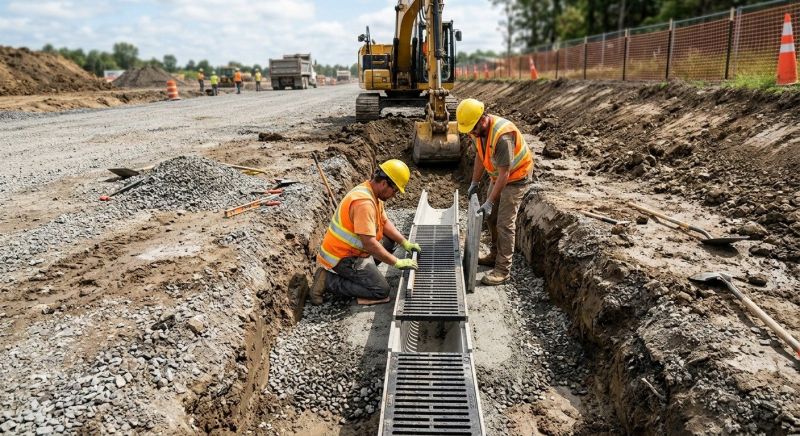
Ditch Installation in Houston, TX
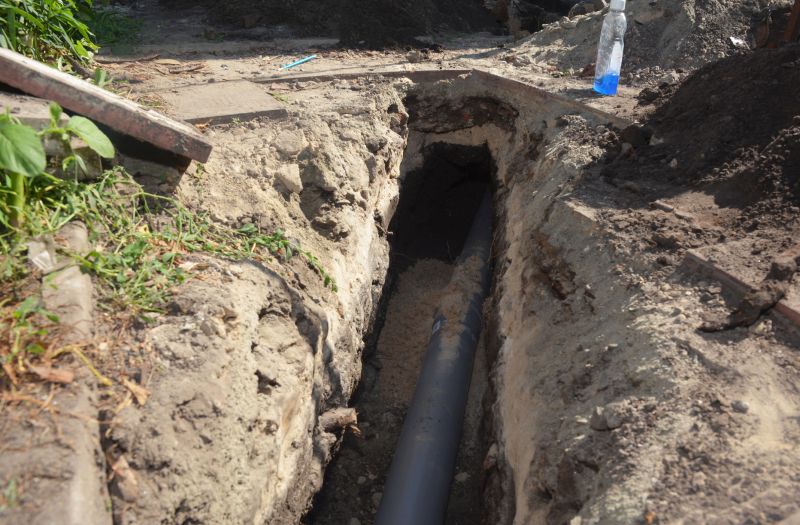
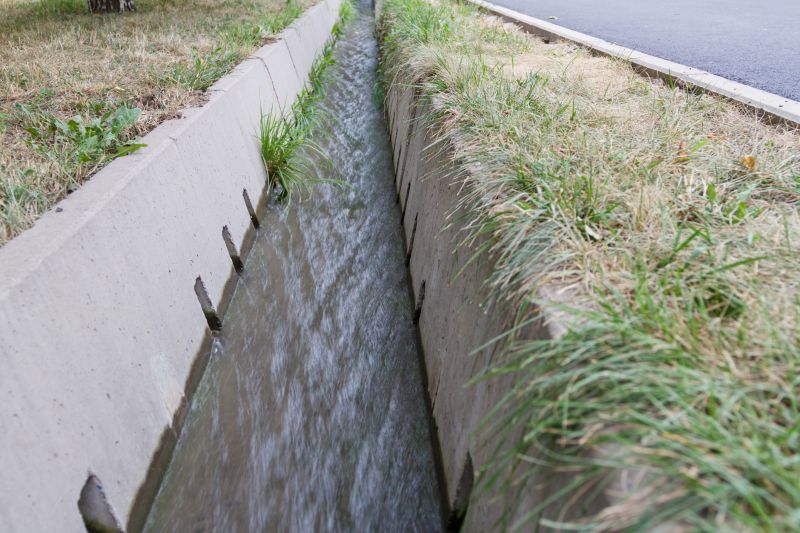
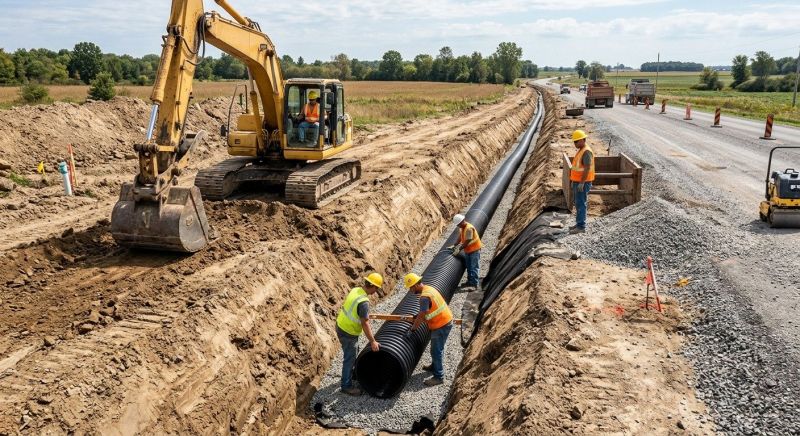
Ditch installation services involve creating channels or trenches in a property’s landscape to manage water flow, prevent flooding, or improve drainage systems. These projects often include installing new drainage ditches, replacing or upgrading existing ones, and customizing solutions to suit the specific layout and needs of a property. Homeowners typically request ditch installation to protect foundations, direct stormwater away from structures, or improve overall yard drainage, especially in areas prone to heavy rainfall or poor natural drainage.
Before requesting ditch installation, property owners should consider the purpose of the ditch, the type of soil and terrain, and any local regulations or permits that may be required. Understanding what the project entails-including the scope of work, materials used, and potential impact on landscaping-can help ensure a smooth process. Clear communication about the desired outcome and any existing drainage issues will support effective planning and execution of the project.
Many property owners in Houston, TX look into Ditch Installation for repairs, replacements, upgrades, and appearance-related improvements.
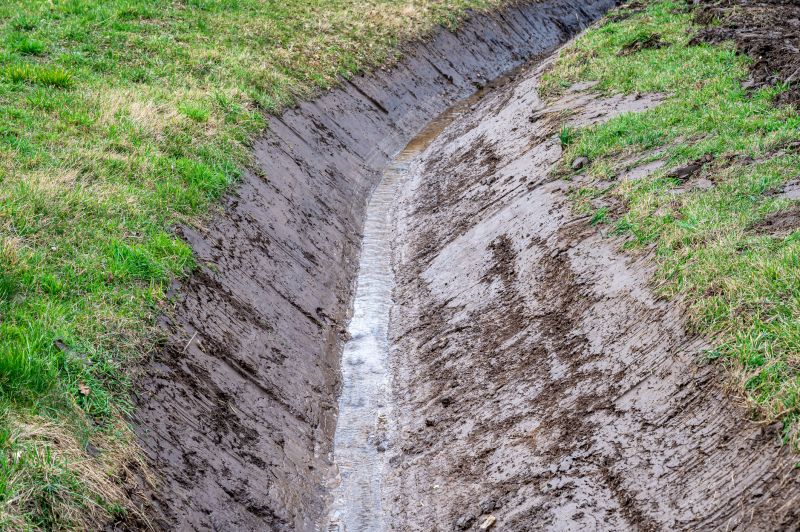
Purpose Of Ditch Installation
Ditches help manage water flow and prevent flooding on residential and commercial properties.
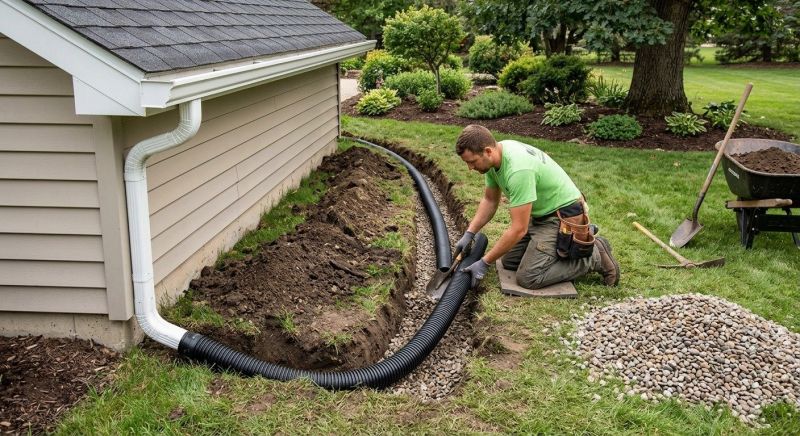
Common Ditch Projects
They are often used for drainage, irrigation, and property boundary marking in houston and nearby areas.
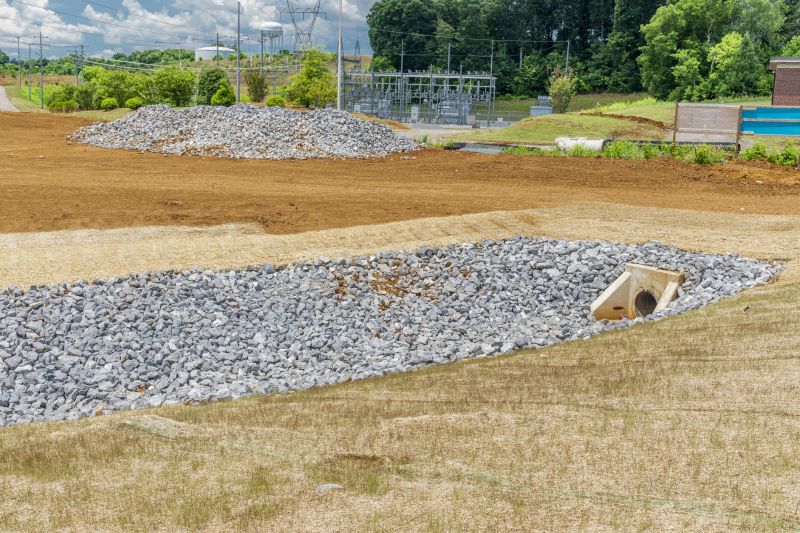
Considerations For Ditch Setup
Proper grading and placement are essential to ensure effective water management and long-term durability.
Ditch Installation in Houston, TX

Ditch installation services involve creating channels or trenches in a property’s landscape to manage water flow, prevent flooding, or improve drainage systems. These projects often include installing new drainage ditches, replacing or upgrading existing ones, and customizing solutions to suit the specific layout and needs of a property. Homeowners typically request ditch installation to protect foundations, direct stormwater away from structures, or improve overall yard drainage, especially in areas prone to heavy rainfall or poor natural drainage.
Before requesting ditch installation, property owners should consider the purpose of the ditch, the type of soil and terrain, and any local regulations or permits that may be required. Understanding what the project entails-including the scope of work, materials used, and potential impact on landscaping-can help ensure a smooth process. Clear communication about the desired outcome and any existing drainage issues will support effective planning and execution of the project.
Many property owners in Houston, TX look into Ditch Installation for repairs, replacements, upgrades, and appearance-related improvements.
Common Ditch Installation Jobs
Drainage Solutions - Installing ditches to effectively manage surface water runoff.
Property Drainage - Creating ditches to prevent water pooling around foundations.
Erosion Control - Using ditches to reduce soil erosion on slopes and embankments.
Landscape Drainage - Incorporating ditches to improve yard drainage and prevent flooding.
Drainage Repair - Fixing or upgrading existing ditches to restore proper water flow.
Custom Ditch Design - Planning tailored ditch systems to meet specific property drainage needs.
Ditch Installation Questions
What is the purpose of a ditch installation? Ditch installation helps manage water runoff, prevent flooding, and improve drainage around a property.
What types of projects typically require a ditch? Ditches are often used for yard drainage, irrigation, or directing stormwater away from foundations.
What materials are used for ditch construction? Common materials include soil, gravel, and sometimes lining materials like concrete or fabric for reinforcement.
Is a ditch installation suitable for any property? Ditches can be adapted to various property types, especially where water management is needed or drainage is poor.
Request Ditch Installation in Houston, TX
Use the quote form on this page to share the basics of your project and request more information for the type of work you need.